
Why Emotional
Well-being is Essential.
Scientific Desk
DOR Clinical Team
Released
April 2026
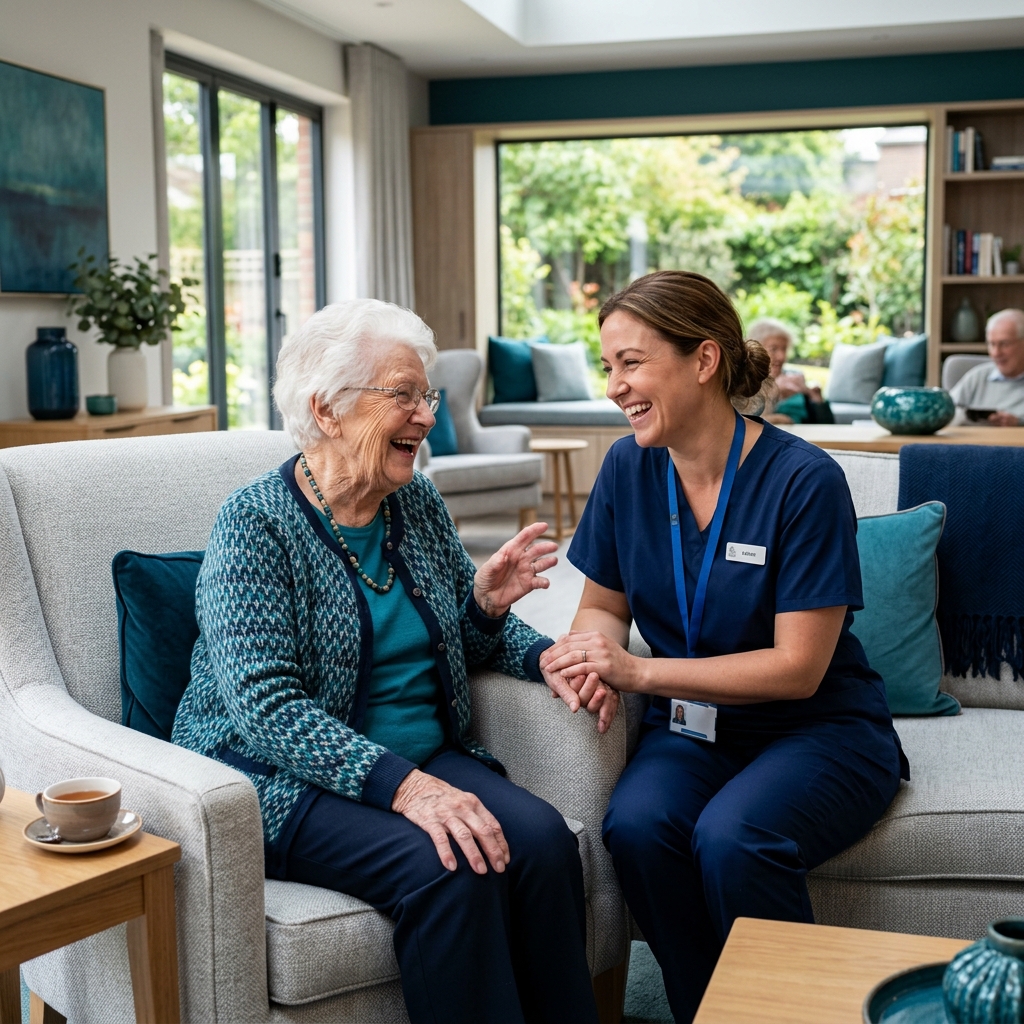
In today’s rapidly evolving world, where success is often measured by productivity, financial growth, and social status, one critical aspect of human health is quietly being overlooked—emotional well-being.
We live in an age of hyper-connectivity, yet people feel more disconnected than ever. Conversations are shorter, attention spans are fragmented, and genuine human connection is becoming rare. While we continue to invest in physical fitness, medical check-ups, and material comfort, emotional health often remains unattended—until it begins to affect every other aspect of life.
"AT DOR, WE BELIEVE THAT EMOTIONAL WELL-BEING IS NOT JUST AN 'ADD-ON' TO HEALTH—IT IS THE FOUNDATION UPON WHICH A HEALTHY, FULFILLING, AND DIGNIFIED LIFE IS BUILT."
Decoding Emotional Well-being
The ability to navigate life involves:
It is not about being happy all the time. Rather, it is about being aware, resilient, and emotionally stable, even in the face of difficulties.
OPTIMAL PERFORMANCE INDICATORS:
Why It Matters More Than Ever
1. The Rise of Isolation
Despite technological advancements, loneliness has become a global concern. Families are increasingly nuclear, children move to different cities or countries, and elderly parents are often left behind. For senior citizens, this isolation is not just physical—it is deeply emotional. The absence of daily conversations, shared meals, and companionship creates a silent void that affects mental and physical health.
2. Chronic Stress Inflation
Modern life is fast-paced and demanding. Without proper emotional support, chronic stress escalates into significant clinical risks:
3. Shifting Governance Dynamics
Earlier, emotional support was naturally embedded within joint family systems. Today, with busy schedules and geographical distances, emotional interactions have reduced.
"ARE OUR PARENTS EMOTIONALLY OKAY, OR JUST MANAGING SILENTLY?"
— THE CORE CONCERN FOR GLOBAL NRI FAMILIES
Emotional x Physical Stability
Stronger Immunity
Positive emotional health boosts the immune system, making the body more resilient to illnesses.
Faster Recovery
Patients with emotional support tend to recover faster from surgeries and clinical treatments.
Risk of Chronic Imbalance
Emotional instability is linked to severe conditions including:
Deep Continuity
A calm and emotionally stable mind leads to superior sleep quality and vital energy.
Clinical Precision
Measured emotional states lead to more accurate medical diagnoses and care planning.
Subtle Indicators of
Emotional Decline.
Emotional distress does not always show up clearly. Often, it is subtle and overlooked by family members.
CONSISTENT OBSERVATION IS REQUIRED TO PREVENT CLINICAL ESCALATION.
Critical Status for Senior Citizens
As individuals navigate the sunset years, emotional needs evolve into core clinical requirements.
1. Identity Redefinition
Retirement often leads to a sudden loss of structure, purpose, and daily professional engagement.
2. Social Circle Atrophy
Shrinking circles and mobility challenges limit interactions, increasing the internal void.
3. Health-Related Anxiety
Frequent medical updates create fear and uncertainty about future autonomy.
4. Autonomy Challenges
Relying on others can lead to feelings of helplessness and reduced dignity.
Foundational Health Pillar.
These factors make emotional well-being essential for maintaining senior dignity.
The Support Framework in Everyday Life
1. Meaningful Engagement
A simple conversation can uplift mood, reduce stress, and create a sense of true belonging.
2. Strategic Active Listening
Being heard without judgment is one of the most powerful forms of clinical support.
3. Routine Continuity
Daily interactions and structured activities provide stability and cognitive purpose.
4. Authentic Connection
Genuine relationships are the cornerstone of long-term sustainable emotional health.
Infrastructure Gaps in Modern Care
Traditional healthcare focuses primarily on physical symptoms—tests, reports, and diagnoses.
Bridging the Narrative Gap.
AT DOR, WE INTEGRATE EMOTIONAL CARE INTO EVERYDAY HEALTHCARE INFRASTRUCTURE.
The DOR Support Framework
DOR is engineered as a holistic care platform that transcends standard clinical services.
1. Dedicated Care Coordinators
2. Intelligence Companionship
3. Protocol Connectivity
4. Early Risk Identification
Emotional Well-being is a Core Requirement.
IT IS NOT A LUXURY—IT IS THE SCALAR BY WHICH QUALITY OF LIFE IS MEASURED.
Nurturing emotional health significantly reduces clinical risks and improves overall longevity and dignity.
Practical Governance Frameworks
1. Stay Connected
Regularly talk to family, friends, or caregivers.
2. Maintain a Routine
Structured days bring stability and reduce anxiety.
3. Express Emotions
Sharing feelings helps in releasing stress.
4. Stay Active
Engaging in activities keeps the mind and body aligned.
5. Seek Support
Professional or guided support makes a critical difference.
A Message for Families
If you have parents or loved ones living separately, ask yourself:
EMOTIONAL WELL-BEING REQUIRES CONSISTENT HUMAN PRESENCE.
DOR’s Strategic Commitment
At DOR, we are committed to redefining care by focusing on both health and humanity.
The Hybrid Future of Care
Preventive Care
Continuous Monitoring
Intel Engagement
TRUE HEALTH IS
THRIVING.
Research Summary
Emotional well-being is not something to be postponed. It is a vital parameter to be nurtured every single day.
THE FOUNDATIONAL QUESTION:
"HOW ARE YOU FEELING… TRULY?"
CARE GOES BEYOND HEALTH — IT REACHES THE HEART.